Insights for the Informed Athlete
Evidence-based blood marker analysis, harm reduction strategies, and deep dives into the science behind AAS and athletic health.

How the GearCheck Health Score Works: The Risk Model Behind the Number
Your health score is not a grade or an average — it is an estimate of how much detectable risk your panel shows. The domain weights, the coverage cap, the provisional label, and why most scores dropped in July 2026.

Post-Cycle Therapy Bloodwork: How to Confirm Real Recovery
How to know if PCT actually worked. LH, FSH, and testosterone together tell the story. A bloodwork-driven recovery assessment.

Gyno Blood Work: Catch It Before the Lumps Do
Gyno is a ratio disease: estrogen signaling outpacing androgen signaling. The four numbers that show the process weeks before any tissue changes.

PSA on TRT: The Prostate Numbers That Actually Matter
TRT does not cause prostate cancer, but it changes what your PSA number means. The thresholds, the velocity rule, and when a value demands a urologist.
Blast and Cruise Blood Work: What 5 Years Changes Forever
No PCT, no recovery window, and a lipid, hematocrit and hormonal profile that drifts year after year. What long-term cruising does to every panel marker.
Anadrol Blood Work: Blood Pressure, Liver and the 50 mg Question
Blood pressure, not liver enzymes, is what ends most Anadrol runs. What 25, 50 and 100 mg do to your panels, and the markers worth tracking weekly.

Winstrol Blood Work: Cholesterol Collapse and the Joint Pain Myth
The steepest HDL crash in the AAS pharmacopeia, a joint-pain mechanism that is real, and why injectable Winstrol is not the liver-safe option forums claim.
Masteron Blood Work: Estrogen Control Without the Bloat
Drostanolone cannot aromatize, so estradiol falls while you run it. But Masteron is one of the strongest HDL suppressors per milligram, and it raises SHBG.

Donating Blood on TRT: When It Helps, When It Backfires
Therapeutic phlebotomy and blood donation on TRT — the iron/ferritin tradeoff, how much hematocrit actually drops, and when donation is the wrong tool.

Primobolan: The Honest Bloodwork of the "Mild" Compound
Primobolan has a reputation for being mild. What 400 mg/week actually does to HDL, hematocrit, and E2 — and the four blood draws that keep a Primo run safe.
The AI Decision: Do You Actually Need an Aromatase Inhibitor On Cycle?
AIs are the most overused drugs in AAS use. E2 is not the enemy — crashing it is. An evidence-based decision framework for AI use on cycle.
Dianabol: Liver, Lipids, and Blood Pressure in the Numbers
Dbol is the classic mass-builder and the classic bloodwork wrecking ball. What 30 mg/day does to ALT, HDL, and hematocrit week by week.
GGT: What This Liver Marker Actually Tells You
GGT is a useful part of the liver picture for AAS users, but a normal result does not guarantee safety on oral compounds. What it can and cannot tell you.
TUDCA vs NAC: Evidence-Based Liver Support on Orals
TUDCA or NAC for liver protection during oral AAS? The answer depends on your bloodwork. Learn the mechanism differences and when to use each.
Blood Pressure on Cycle: When Lifestyle Is Not Enough
When lifestyle is not enough for blood pressure on cycle. Why telmisartan and ACE inhibitors are typically preferred for AAS users, and what that conversation with a prescriber looks like.

Lp(a): The Genetic Risk Factor Most Athletes Ignore
Lp(a) is a genetic risk factor most AAS users ignore. A one-time test tells you if you have elevated cardiovascular risk.

Triglycerides: The Overlooked Lipid Marker on Blast
Triglycerides are often overlooked on blast yet they tell an important story about metabolic stress and cardiovascular risk.

Cystatin C: Why Every Athlete Needs This Kidney Marker
Cystatin C is the gold standard kidney marker for athletes. Why creatinine misleads you and how Cystatin C provides the only accurate measurement.
Beyond Phlebotomy: Managing Hematocrit on TRT and Blast
Removing blood moves the reading and leaves the driver untouched. Hydration, endurance work, dose and compound selection — plus the markers that decide whether a raised hematocrit matters at all.
Iron Management on TRT: Ferritin, Donation, and the Balancing Act
Regular blood donation on TRT can deplete your ferritin. Recognize iron deficiency symptoms and optimize your donation schedule for better performance.
The Complete Pre-Bloodwork Protocol: 72 Hours to Perfect Results
72 hours to perfect bloodwork. From training cessation to hydration — the complete protocol for accurate lab results every time.
Lab Error vs Real Signal: When to Redraw and When to Act
Got an "abnormal" lab value? Learn the difference between lab error and a real signal. Hemolysis, tourniquet, and when to redraw or take action.
Women on PEDs: Bloodwork Differences Every Female Athlete Needs to Know
Female athletes on PEDs have completely different bloodwork needs than men. From cycle timing to iron and thyroid — what every woman needs to know.
On-Cycle Cardiovascular Support: Supplements Ranked by Evidence
The best evidence-based supplements for cardiovascular support during a cycle. From omega-3 to citrus bergamot — ranked by evidence strength.

Cholesterol on AAS: Compound-by-Compound Comparison
Which AAS are worst for your cholesterol? A compound-by-compound comparison of HDL, LDL, and ApoB, and what the published evidence shows.

NAD+, MOTS-C, and SS-31: The Mitochondrial Peptides
NAD+, MOTS-C, and SS-31 — the mitochondrial health peptides. What is the evidence and what bloodwork is meaningful for users?
Peptide Bloodwork: What to Monitor on GH Secretagogues
GH secretagogues are marketed as "safe without monitoring" but IGF-1, prolactin, and glucose deserve attention. A practical monitoring protocol.
BPC-157 and TB-500: What the Evidence Shows for Injury Recovery
BPC-157 and TB-500 are popular for injury recovery — but what does the evidence actually say? From animal studies to human data and relevant bloodwork.
Insulin Resistance on Growth Hormone: Prevention Protocol
Growth hormone is effective but induces insulin resistance. A complete prevention and monitoring protocol for safe GH use.

MK-677 and Blood Sugar: The Monitoring Protocol
MK-677 raises GH and IGF-1, but what does it do to your blood sugar? A complete monitoring protocol from HbA1c to HOMA-IR.

GLP-1 Agonists for Bodybuilders: Semaglutide to Retatrutide
GLP-1 agonists (Semaglutide, Tirzepatide, Retatrutide) are increasingly popular in bodybuilding. Essential bloodwork monitoring for safe use.
Superdrol, Halotestin, and the Harsh Orals: Short-Term vs Long-Term Damage
Superdrol and Halotestin are the harshest oral AAS. What they actually do to your bloodwork — from ALT to HDL — and why duration matters so much.
Anavar and Primobolan: Bloodwork on "Mild" Compounds
Anavar and Primobolan are called "mild" but what does that mean for your bloodwork? HDL, liver, E2 — the real demands of each compound.
Oral Steroids and Liver Stress: What the Numbers Actually Mean
Oral AAS and liver stress — learn the difference between liver stress and liver damage. Per-compound impact, GGT as the gold marker, and evidence-based support.
Boldenone (EQ) and Estrogen: Managing E2 on the Long Ester
Boldenone and estrogen — one of the most misunderstood relationships in AAS bloodwork. Learn to manage E2, hematocrit, and anxiety on EQ.
Trenbolone: 8 Markers That Need Close Monitoring
8 blood markers that separate a manageable trenbolone risk profile from one that needs urgent medical attention. From prolactin to hematocrit — what each one signals.
Nandrolone Bloodwork: The Complete Monitoring Protocol
The complete bloodwork monitoring protocol for nandrolone (Deca). Prolactin, lipids, CV markers, and HPTA recovery — week by week.
Hair Loss on AAS: DHT, Genetics, and What Bloodwork Shows
Why do some AAS users lose hair and others do not? The role of DHT, genetics, and what bloodwork reveals about your individual risk.

TRT Blood Test Timing: Exact Draw Windows by Ester
When exactly should you draw blood for accurate TRT results? Per-ester draw windows from propionate to undecanoate — get reliable labs every time.
Prolactin: The Forgotten Marker on 19-Nors
Prolactin is often overlooked on 19-nor compounds. Recognize symptoms, know when to test, and understand your management options.
HCG on TRT: Fertility, Testicular Health & Bloodwork Monitoring
HCG is essential for testicular health on TRT. Learn how to monitor HCG with bloodwork — E2, prolactin, and fertility markers.
Low Libido on TRT: A Bloodwork-First Diagnostic Tree
Low libido on TRT despite good testosterone levels? Walk through this 5-step bloodwork-driven diagnostic tree to find the real cause.
TRT and Mental Health: The First 90 Days
TRT can significantly impact mental health in the first 90 days. Learn which blood markers explain mood changes and when to adjust your protocol.
Estradiol on TRT: Finding Your Sweet Spot
Learn how to interpret estradiol on TRT. When is an AI needed, when not? A practical guide to E2 management with bloodwork as your guide.
The True Cost of Blood Work: What to Prioritize on Every Budget
A practical guide to maximizing value per marker — from $50 budget to $400+ complete panel. Learn which markers deliver the most insight per dollar and how to optimize testing frequency.

Injection Guide: IM vs SubQ — Best Practices for Accurate Blood Work
Does injection technique affect your blood work? IM vs subQ absorption, injection site differences, and the optimal blood draw window for each ester — everything you need for consistent, interpretable labs.
Building Your Custom Blood Panel: A Tiered Approach
Build your own blood panel tailored to your goals and compounds. From basic (15 markers, $100) to complete (45+ markers, $500) — with pricing and frequency optimization.

How to Read Blood Work on TRT: A Practical Guide
Learn how to read blood work on TRT or anabolic steroids, compare key markers and spot changes that need medical follow-up without overreacting to every flag.

Blood Test Reference Ranges: What Athletes Need to Know
Understand blood-test reference ranges, training effects and medical action thresholds so you can interpret flagged results on TRT or anabolic steroids.

The Health Score: How We Turn 50+ Markers Into One Number
Go behind the scenes of GearCheck's Health Score: contextual weighting, priority multipliers, and status overrides create a snapshot from 50+ markers.

Mid-Cycle Monitoring: What to Watch and When to Act
Essential mid-cycle blood checks: hematocrit, lipids, blood pressure, and liver markers. Know when to adjust your protocol before problems arise during a cycle.

How to Prepare for a Blood Draw — A Cheat Sheet
Rest days, hydration, fasting, training pause, supplement timing. The complete practical guide to preparing for an accurate blood draw as a strength athlete.

The ApoB Gap: Why Your Lipid Panel Is Incomplete Without It
ApoB is the best predictor of cardiovascular risk yet almost never included in standard lipid panels. Your panel is incomplete without this critical marker.

What 100+ AAS Users Taught Us About Blood Marker Patterns
Anonymous trends from real AAS users: most common blood abnormalities, typical HDL on blast, hematocrit patterns, and what the data says about harm reduction.

Liver Toxicity vs. Muscle Leak: Separating Fact From Fear
How to tell if elevated liver enzymes indicate hepatotoxicity or just exercise-induced muscle leakage. A practical guide for athletes using oral AAS compounds.

The Complete Guide to Post-Cycle Blood Work
Comprehensive post-cycle testing guide: what to measure week by week, how to interpret recovery markers, and when you are fully clear to start your next cycle.
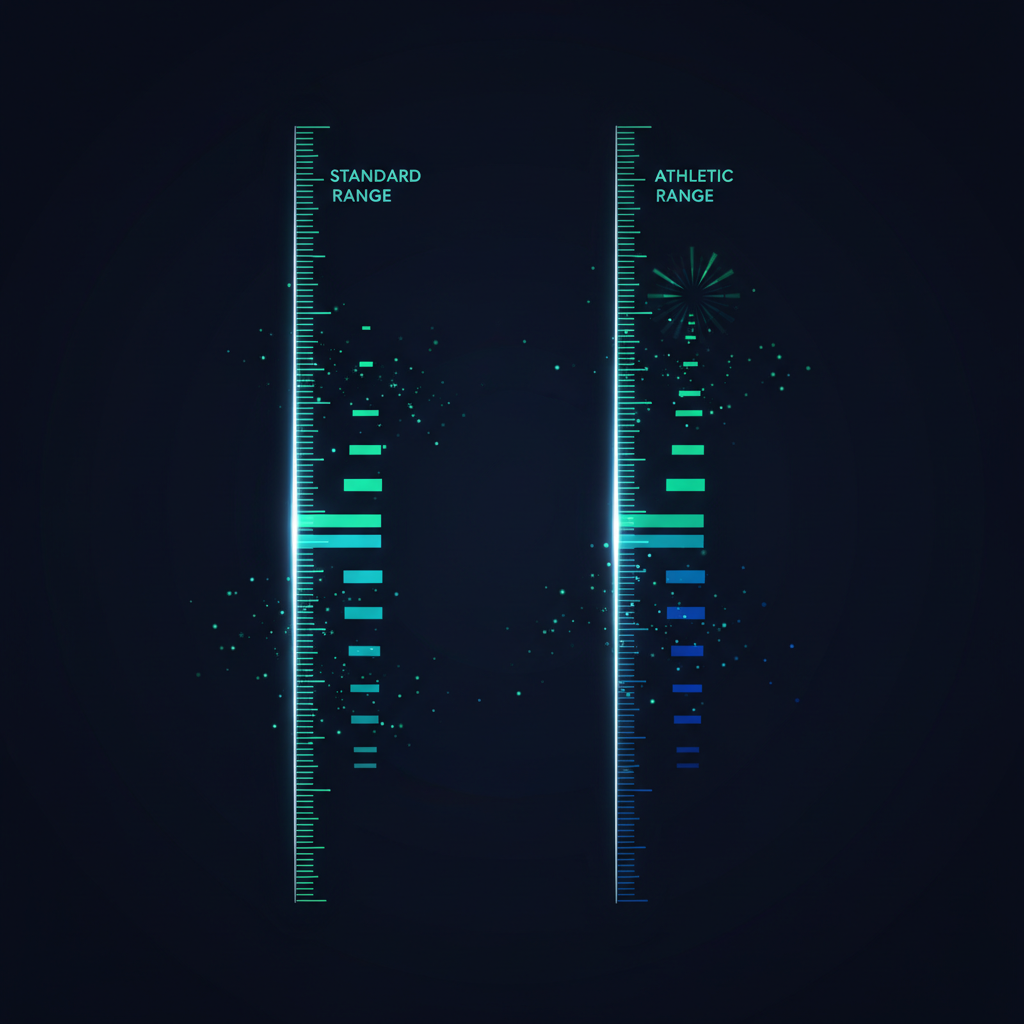
Normal vs. Athletic: Reference Ranges Compared
Side-by-side comparison of standard lab ranges versus athletic reference bands for all key markers. See how athlete physiology shifts what is considered normal.

GearCheck Pipeline: From Upload to Report in 6 Steps
Upload, extraction, reference check, contextual analysis, assembly, narration. The complete six-step journey of your blood work through the GearCheck pipeline.

How GearCheck's Contextual Rules Change Your Report
What a contextual explanation actually changes about a blood result — and what it does not. Four worked examples showing how to read the reasoning, not just the softer label.
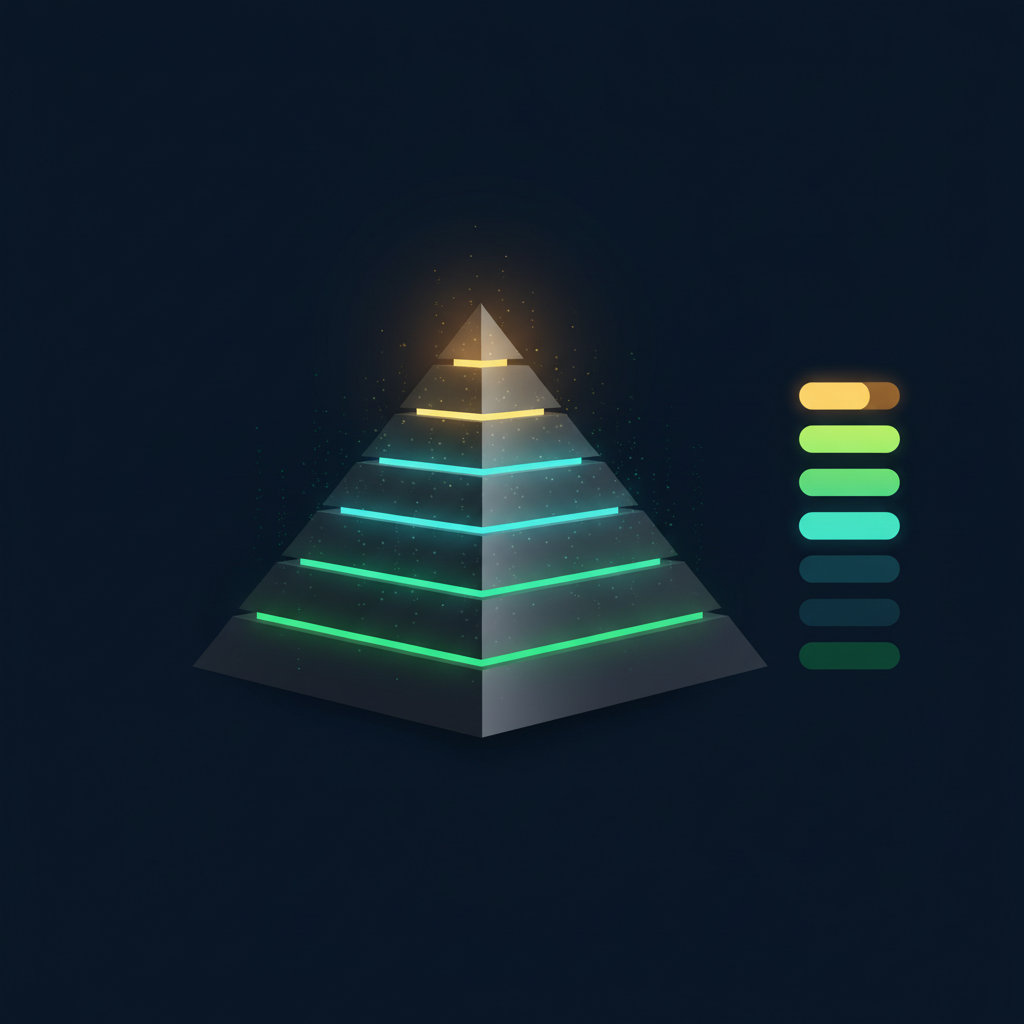
Health Score: What Each Level Means
Strong, Moderate, Under Pressure. What each Health Score tier actually means, which marker statuses feed it, and why the direction of your score matters more than the number.

Estradiol: Treat the Patient, Not the Number
Mild E2 elevation on high testosterone is normal aromatase physiology, but extreme values or poor wellbeing require clinical action, not a lab number.

SHBG: Why Low Is Expected (and When It Matters)
Androgenic steroids lower SHBG pharmacologically, so low values are expected. Learn when low SHBG signals a health concern versus pharmacologically normal.

The Complete Pre-Cycle Bloodwork Checklist
Everything you need to measure before starting a cycle: baseline markers, critical health checks, reference ranges, and what to look for before your first dose.

Post-Cycle Bloodwork: A Guide to Successful Recovery
What to test after your cycle, how to assess HPTA recovery, and when markers confirm you are clear for your next cycle. Complete post-cycle protocol included.
TSH 2.0–4.0: Subclinical Hypothyroidism or Iodine Deficiency?
Borderline TSH in athletes can signal iodine or selenium deficiency, not thyroid disease. A crucial distinction for accurate diagnosis and supplementation.

The Training Day Problem: Why Rest Before Blood Draw Changes Everything
Training within 48 hours of a blood draw significantly skews kidney and liver markers. Proper rest days before your draw ensure accurate lab results every time.

From PDF to Insights: How GearCheck Analyzes Your Blood Work
Follow your blood work from PDF upload to full analysis report. The GearCheck pipeline explained step by step, from extraction to personalized health insights.

Why Context is Everything: Meet the Interpretation Engine
How 20+ contextual rules transform a generic blood report into personalized analysis that understands athletes and AAS users for accurate clinical insights.

Athlete vs. Standard: Why GearCheck Uses Different Reference Bands
Standard reference ranges do not work for athletes. Here is how GearCheck built athlete-specific reference bands that actually make sense for performance.

The Most Common Bloodwork Mistakes We See
Real-world patterns from thousands of blood analyses: incomplete panels, timing, missing critical markers. Learn the most common mistakes and how to avoid them.

Why Bloodwork Matters: A Harm Reduction Manifesto
The core philosophy behind GearCheck: why regular blood monitoring is the single most important harm reduction decision an AAS user can make for their health.

eGFR and Creatinine: Why Your Kidneys Are Probably Fine
The #1 misinterpreted marker duo in athletes. Learn why elevated creatinine does not mean kidney damage and how Cystatin C provides the clarity you need.

HDL, ApoB, and AAS: Sorting Cardiovascular Risk From Pharmacological Noise
Why HDL alone tells you nothing useful under AAS. ApoB plus atherogenic ratios are the real cardiovascular risk indicators every steroid user should track.
AST, ALT, and the Muscle vs. Liver Problem
Elevated liver enzymes in athletes often come from muscle damage, not the liver. Learn to distinguish hepatic from exercise-induced AST and ALT elevations.

When High Testosterone is 'Performance', Not 'Action'
High testosterone without organ damage is an intended effect of AAS use, not pathology. Understand the downstream damage principle for safer steroid use.
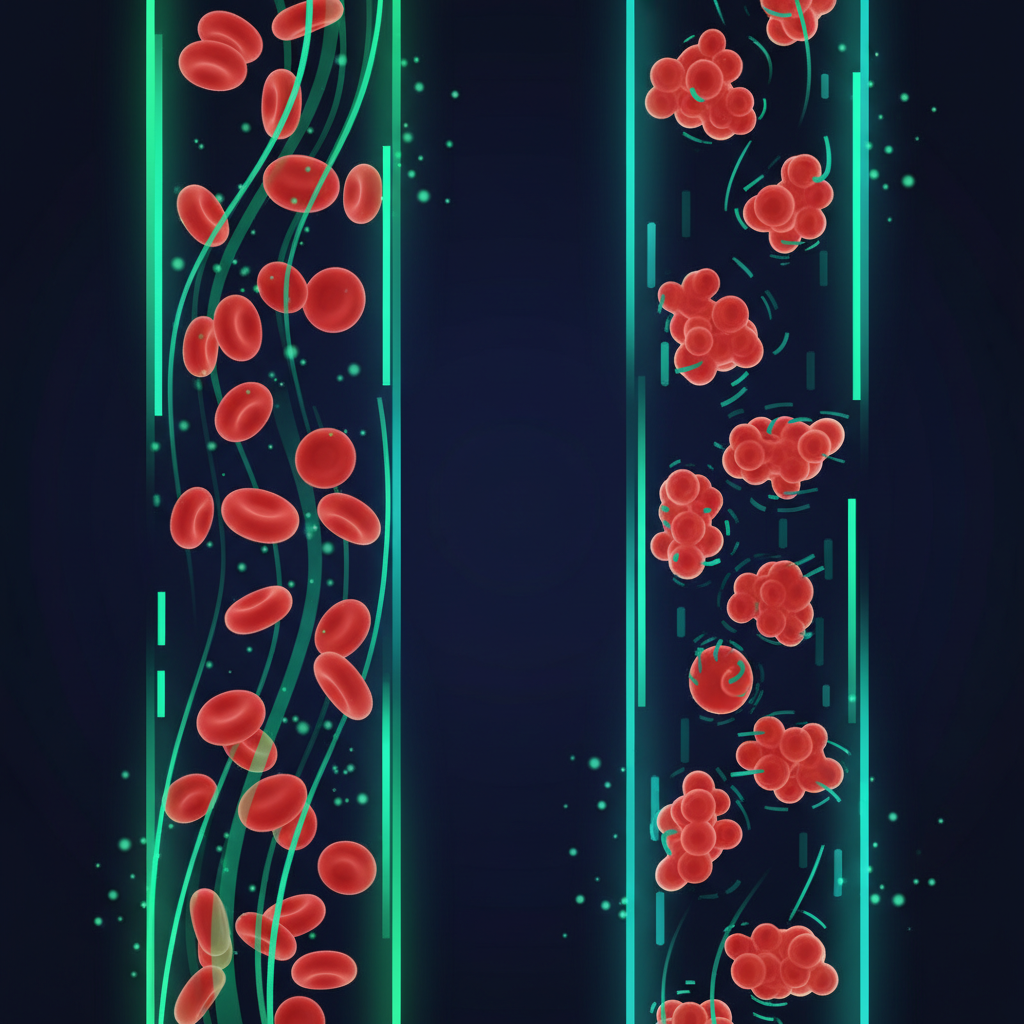
Hematocrit and Clotting Risk: When Is High Really Dangerous?
A raised hematocrit is not the risk by itself. Learn the two pathways that turn it into one — the clotting triad and the blood pressure route — and which markers actually decide.

The GearCheck Glossary: 50 Blood Markers Explained
Your complete reference for 50 blood markers: function, canonical units, athlete-adjusted ranges, and AAS impact all in one place for quick consultation.